Bún Chả Recipe: Hanoi’s Grilled Pork Noodle Bowl
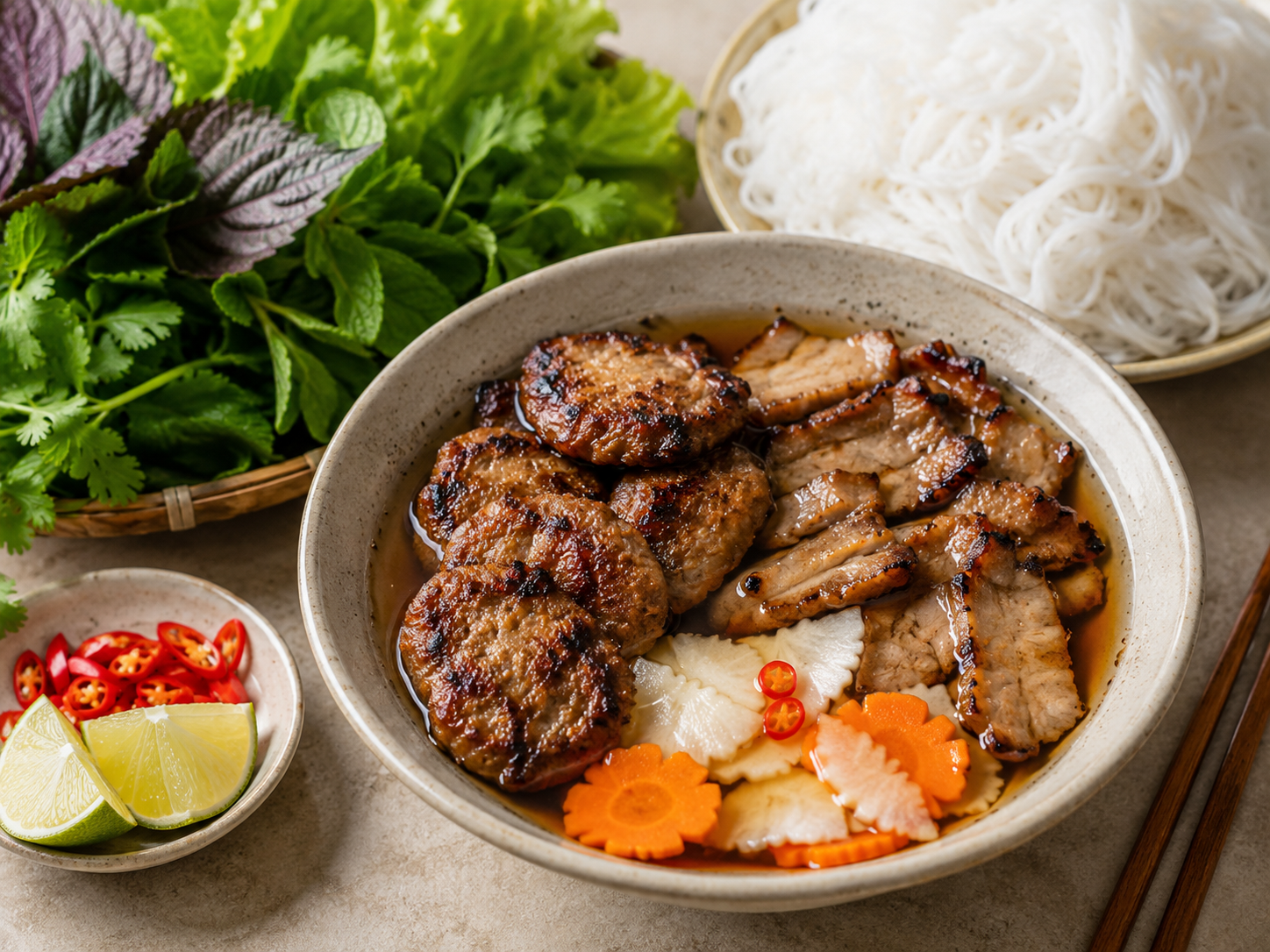
Bún chả does not eat like a normal noodle bowl. It arrives in pieces: smoky pork in warm fish sauce broth, a plate of white rice noodles, a pile of herbs, and enough garlic, chili, and pickled vegetables to wake everything up.
The first thing you notice is the charcoal. In Hanoi, bún chả belongs to the street, to lunch hours, to little grills smoking on sidewalks and bowls of nước chấm carrying the fat from caramelized pork. The dish is widely associated with Hanoi and is commonly served with grilled pork, rice noodles, herbs, and dipping sauce.
This home version keeps that spirit intact. The pork should be savory, lightly sweet, peppery, and smoky. The dipping sauce should be warm, loose, balanced, and strong enough to season the noodles without turning heavy.
The point is not to turn bún chả into a restaurant project. It is to make the version that still feels like Hanoi when you sit down at your own table: grilled pork, cool noodles, fresh herbs, sharp pickles, and a bowl of sauce that pulls everything together.
Ingredients
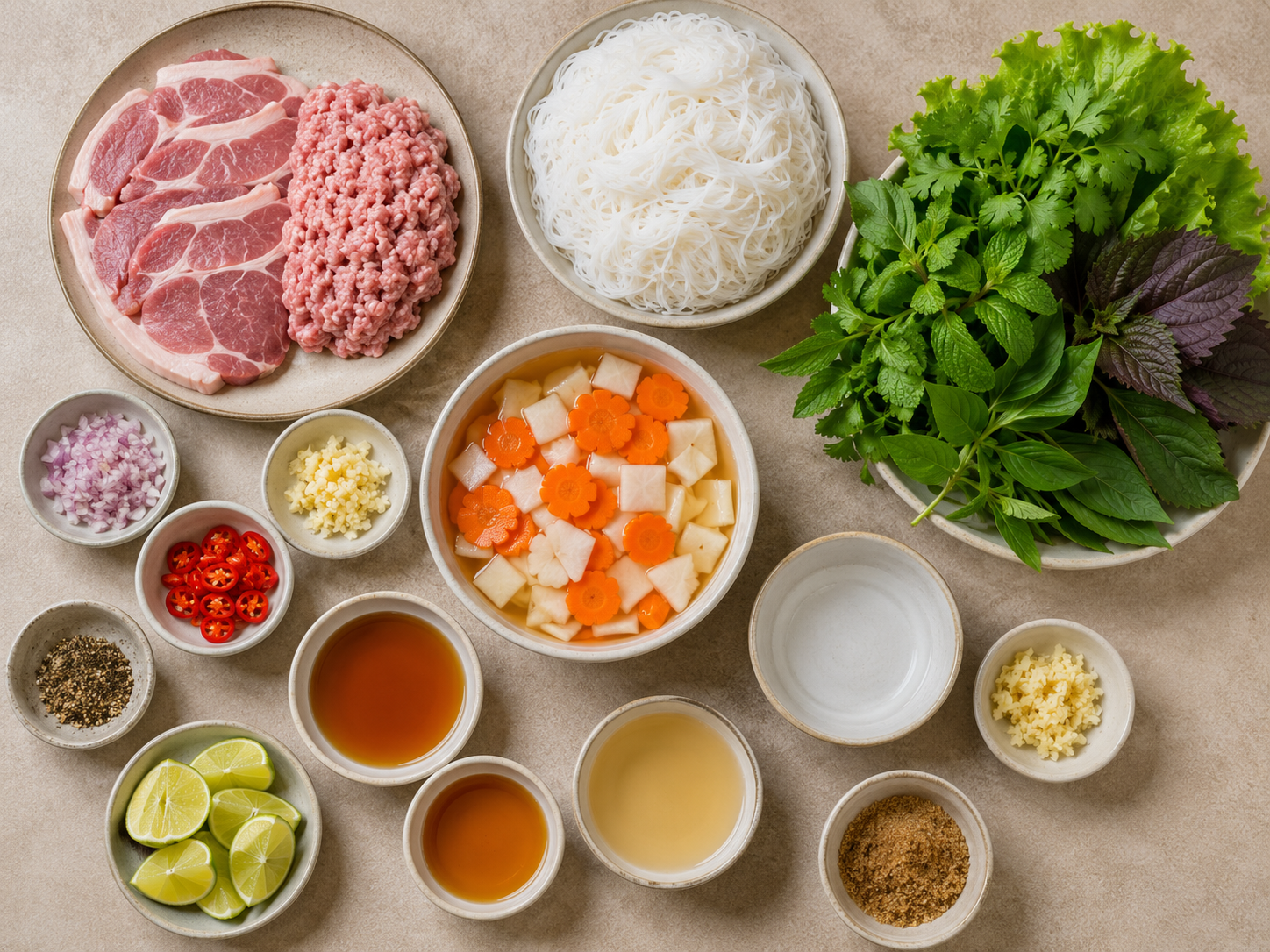
For The Pork Patties
1 pound ground pork, preferably 20 percent fat
2 tablespoons fish sauce
1 tablespoon sugar
1 tablespoon honey
1 tablespoon neutral oil
2 tablespoons finely minced shallot
2 garlic cloves, finely minced
1 teaspoon freshly ground black pepper
½ teaspoon kosher salt
For The Sliced Pork
1 pound pork shoulder, pork belly, or pork collar, thinly sliced
2 tablespoons fish sauce
1 tablespoon sugar
1 tablespoon honey
1 tablespoon neutral oil
2 tablespoons finely minced shallot
2 garlic cloves, finely minced
1 teaspoon freshly ground black pepper
½ teaspoon kosher salt
For The Pickled Vegetables
5 ounces carrot, peeled and thinly sliced
5 ounces daikon radish or green papaya, peeled and thinly sliced
½ cup rice vinegar or white vinegar
½ cup warm water
3 tablespoons sugar
1 teaspoon kosher salt
For The Dipping Sauce
1 cup warm water
¼ cup fish sauce
3 tablespoons sugar
3 tablespoons fresh lime juice or rice vinegar
1 garlic clove, finely minced
1 Thai chili or bird’s eye chili, thinly sliced
¼ cup pickled carrot and daikon or green papaya, for serving in the sauce
For The Noodles And Herbs
14 ounces dried rice vermicelli noodles or 2 pounds fresh bún
1 large handful green leaf lettuce or soft lettuce leaves
1 cup fresh mint
1 cup cilantro
1 cup Vietnamese perilla, Thai basil, or other soft herbs
1 small cucumber, sliced, optional
Extra sliced chili, for serving
Extra lime wedges, for serving
How To Make Bún Chả
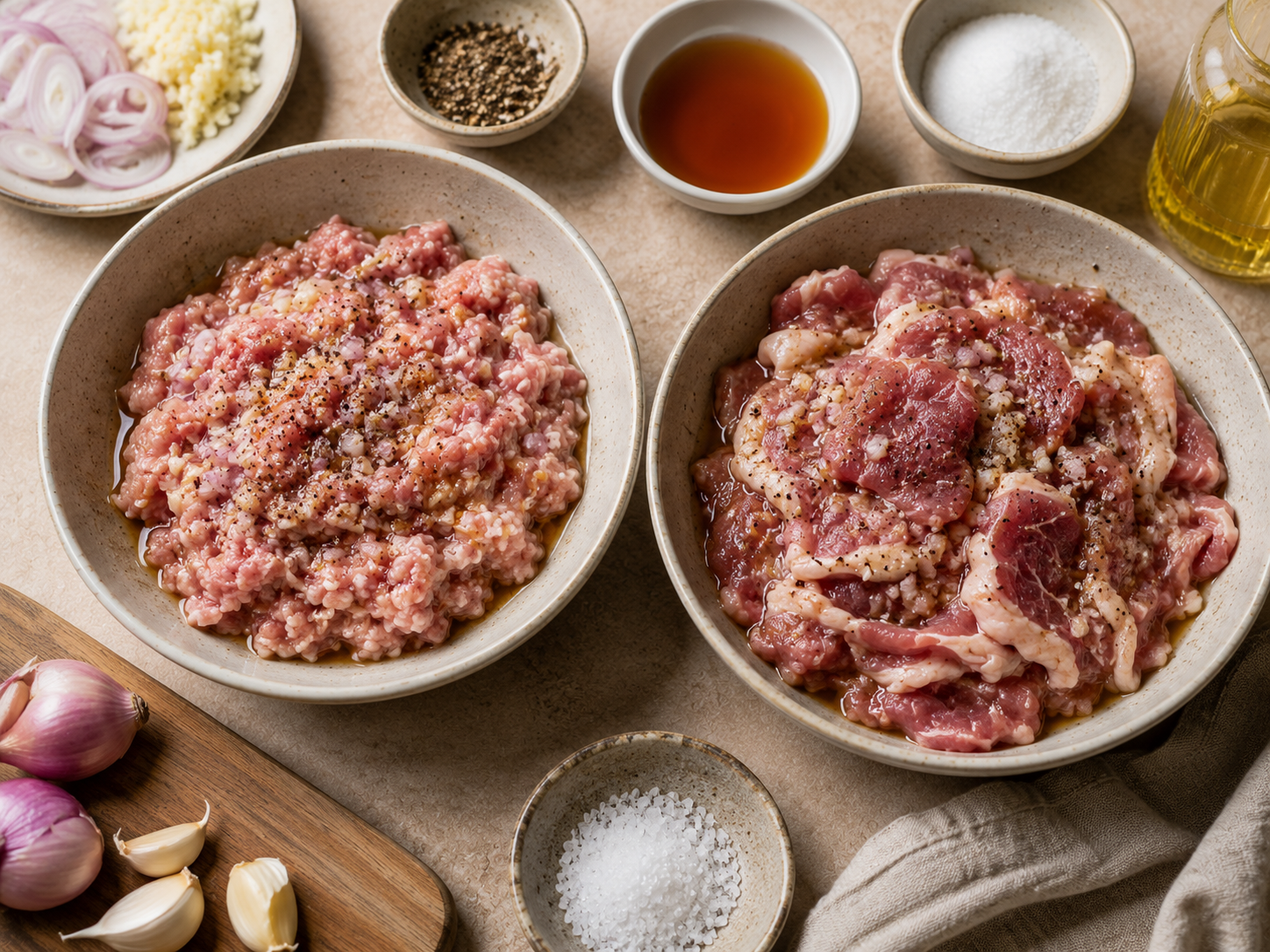
Step 1: Marinate The Pork
Put the ground pork in one bowl and the sliced pork in another. Divide the fish sauce, sugar, honey, oil, shallot, garlic, black pepper, and salt between the two bowls.
Mix the sliced pork until every piece is coated. For the ground pork, mix gently but thoroughly until the meat feels slightly sticky. That stickiness helps the patties hold together on the grill.
Cover both bowls and refrigerate for at least 1 hour. If you have time, 3 to 4 hours gives the pork deeper flavor. Do not overwork the ground pork until it turns dense and sausage-like. Bún chả patties should be juicy, not bouncy.
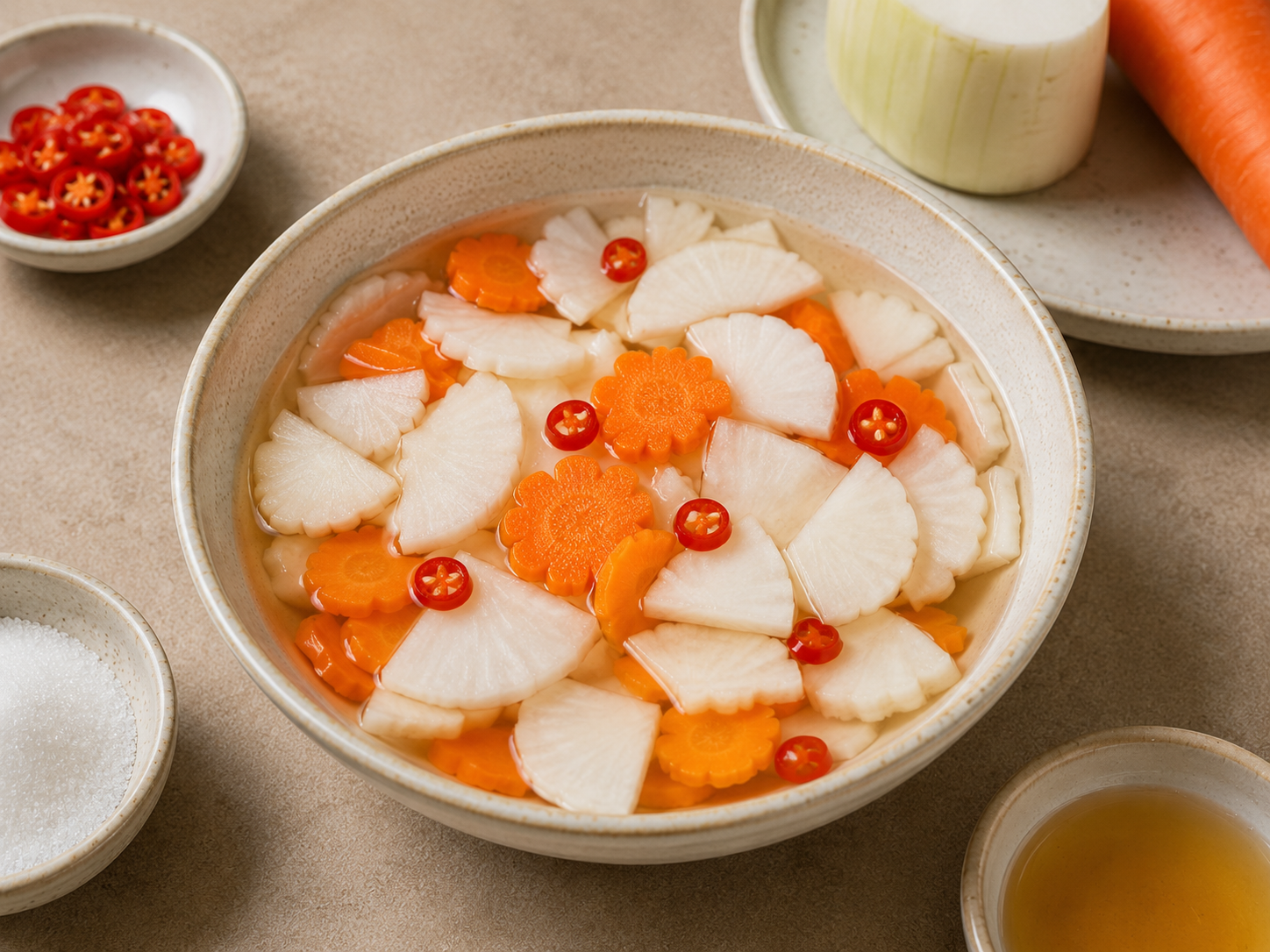
Step 2: Make The Pickled Vegetables
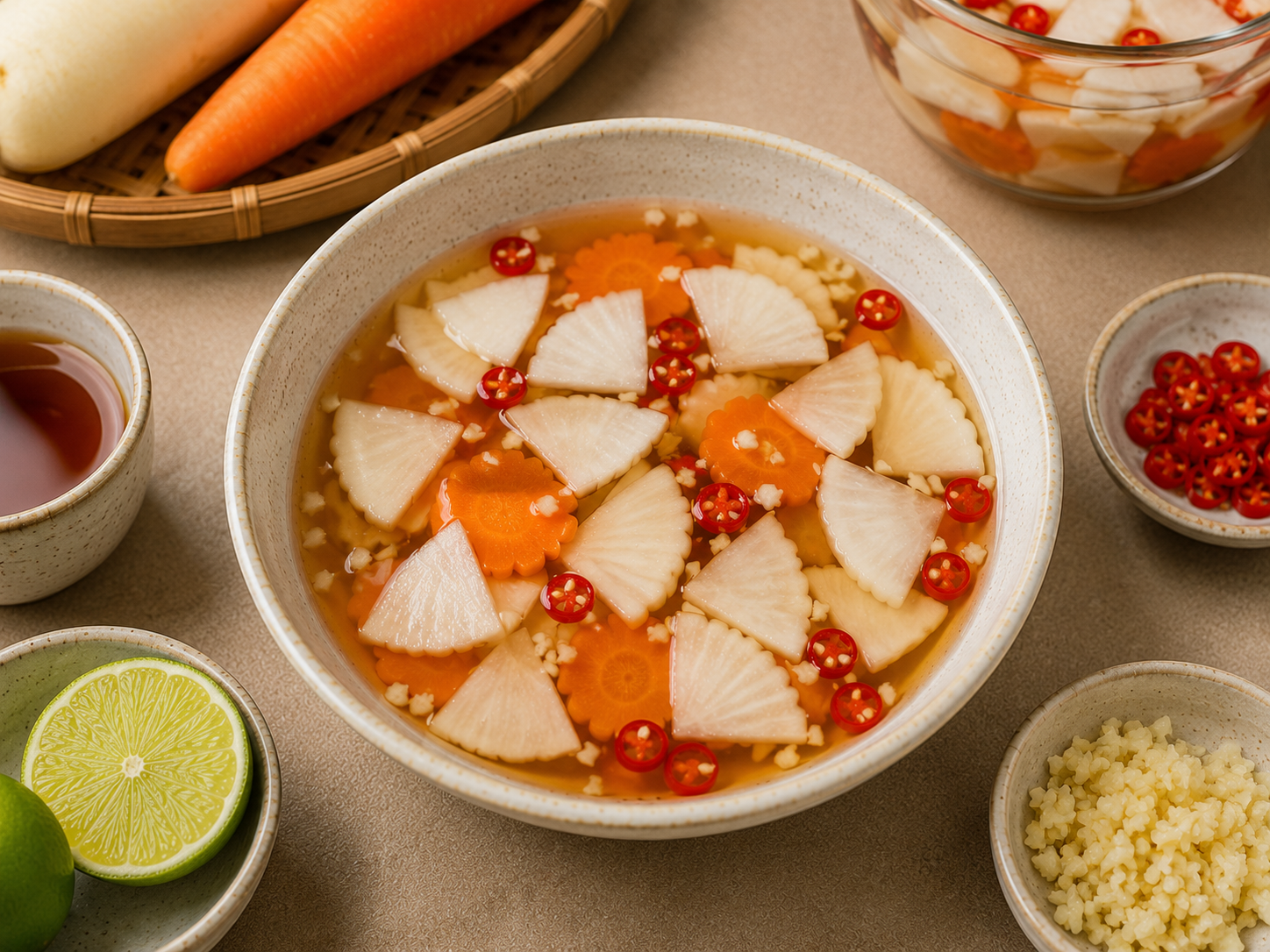
Add the carrot and daikon or green papaya to a bowl. In a separate bowl, stir together the vinegar, warm water, sugar, and salt until dissolved.
Pour the liquid over the vegetables and let them sit for at least 30 minutes. They should soften slightly but still keep their crunch.
The pickles are not just garnish. They cut through the pork fat and bring the sauce back into balance.
Step 3: Make The Dipping Sauce
In a small saucepan or heatproof bowl, combine the warm water, fish sauce, sugar, and lime juice or vinegar. Stir until the sugar dissolves.
Taste the sauce before adding the garlic and chili. It should be gently salty, lightly sweet, and softly sour. It should not hit like a concentrated dipping sauce for spring rolls. Bún chả sauce is closer to a seasoned broth.
Add the garlic, chili, and a small handful of pickled vegetables. Keep the sauce warm. Warm sauce is one of the details that makes the pork fat feel luxurious instead of heavy.
Step 4: Grill The Pork
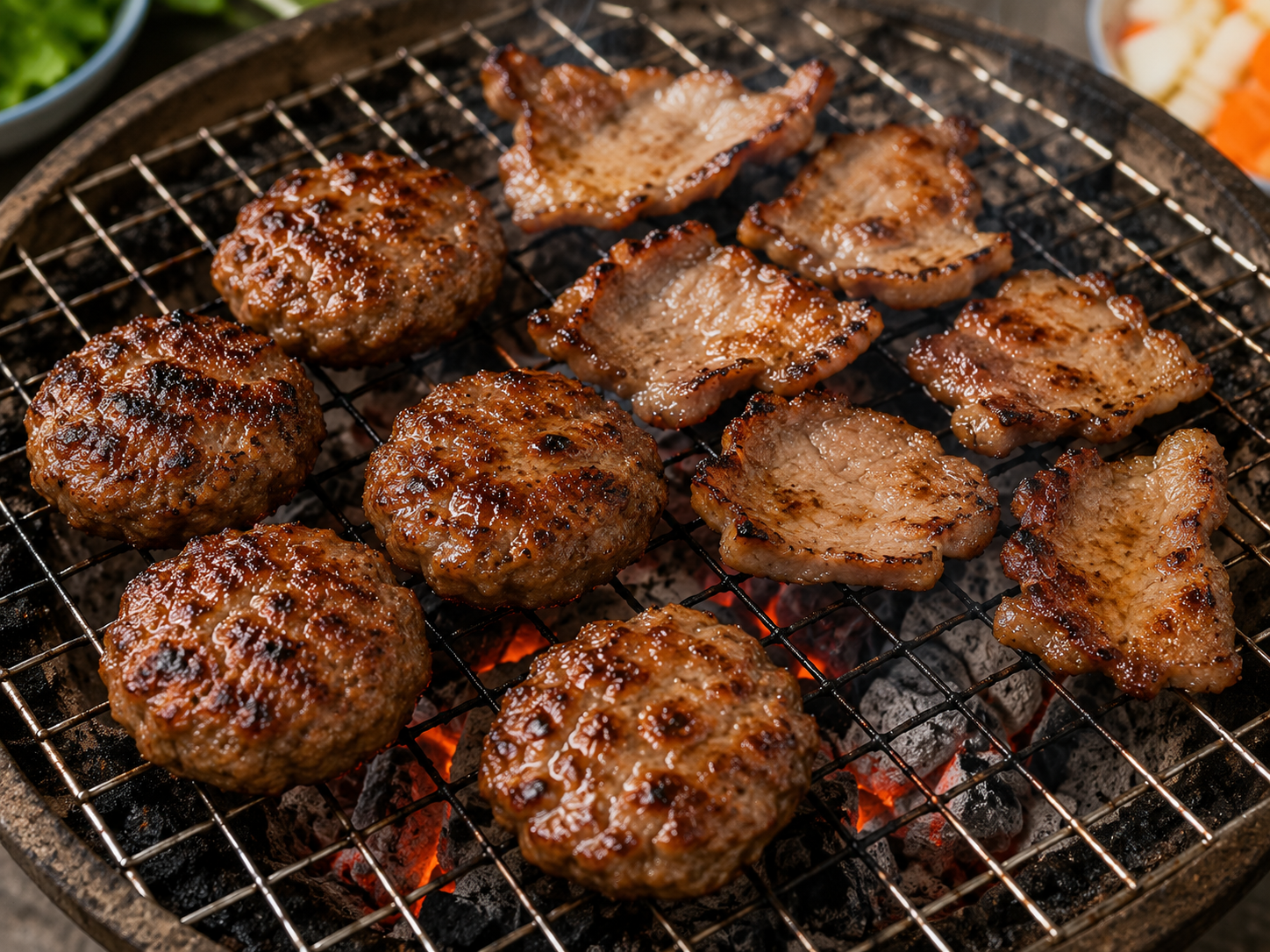
Shape the ground pork into small, flat patties about 2 inches wide. They should be thin enough to cook quickly but thick enough to stay juicy.
Heat a charcoal grill, gas grill, grill pan, or broiler. Charcoal gives the closest Hanoi-style flavor, but a hot grill pan or broiler still works if you cook with patience.
Grill the pork patties and sliced pork until caramelized on the edges and cooked through. The sliced pork should get browned spots and a little char. The patties should be deeply savory, lightly sticky, and juicy in the center.
If using a grill pan, work in batches and avoid crowding. If the pork steams instead of browns, the flavor will flatten.
Step 5: Cook The Noodles And Prepare The Herbs
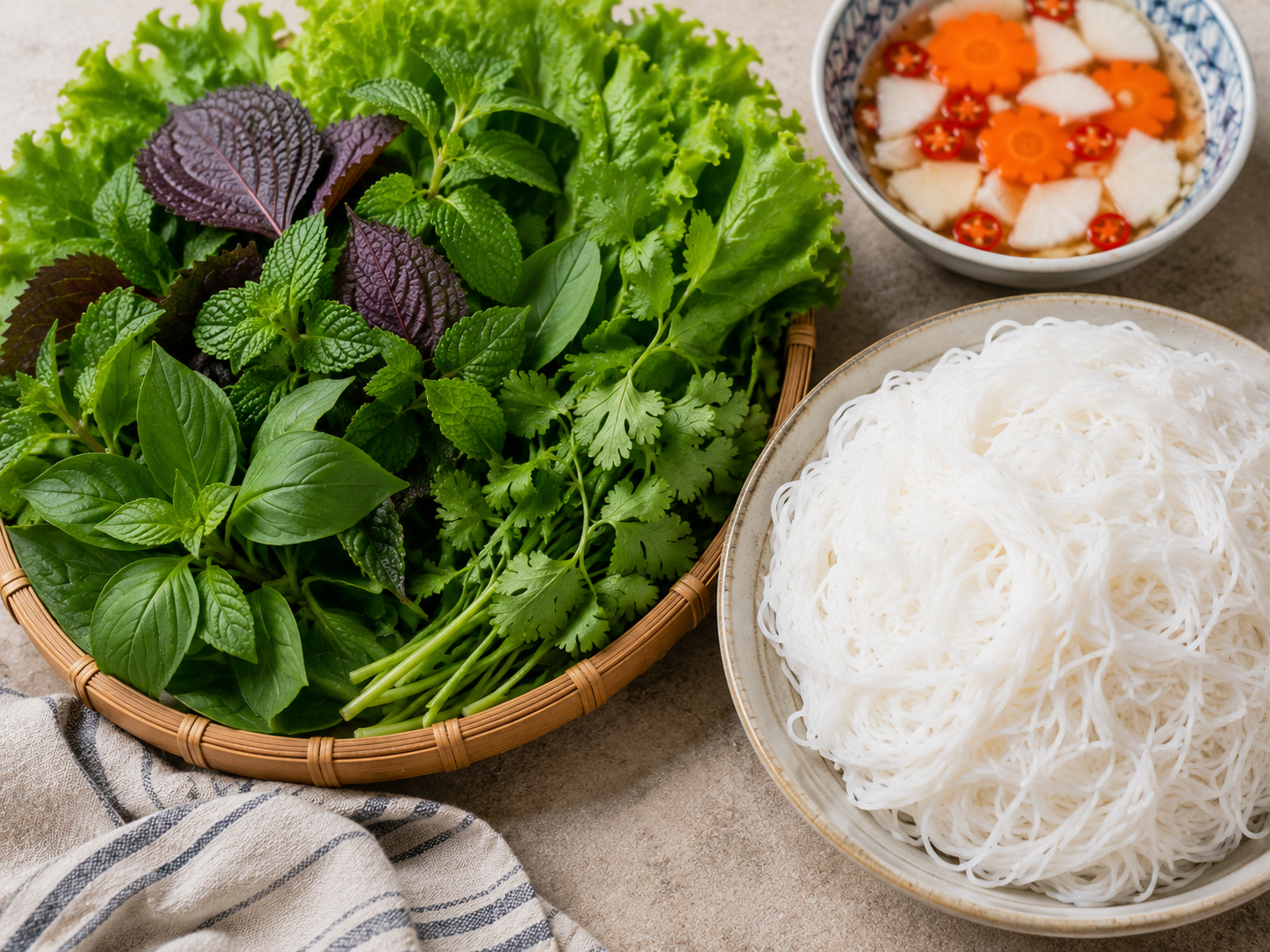
Cook the dried rice vermicelli according to the package directions, then rinse under cool water and drain well. If using fresh bún, loosen the noodles gently and bring them to room temperature.
Wash and dry the herbs and lettuce. Keep them whole or tear them into large pieces. Bún chả should feel fresh and loose on the table, not chopped into submission.
The noodles should be cool or room temperature. The pork and sauce should be warm. That temperature contrast is part of the dish.
Step 6: Build The Bowls
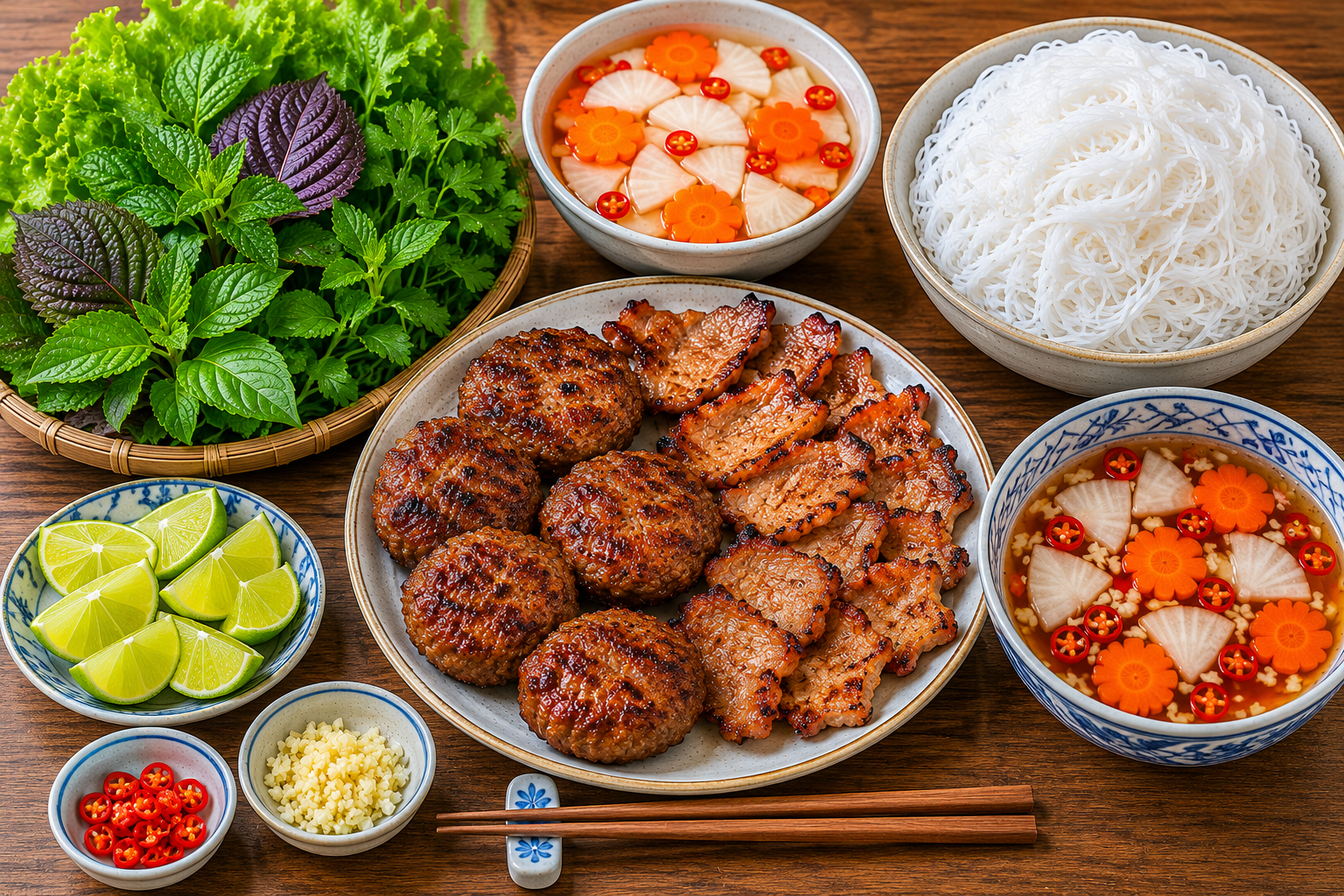
Divide the warm dipping sauce into serving bowls. Add some grilled pork patties, sliced pork, and pickled vegetables directly into each bowl of sauce.
Serve the noodles and herbs on separate plates. This is the better way to eat bún chả because every person controls the bite.
You can dip noodles into the sauce, add herbs into the bowl, or build small bites with lettuce, pork, noodles, and pickles. There is no need to overthink it. The dish is supposed to move.
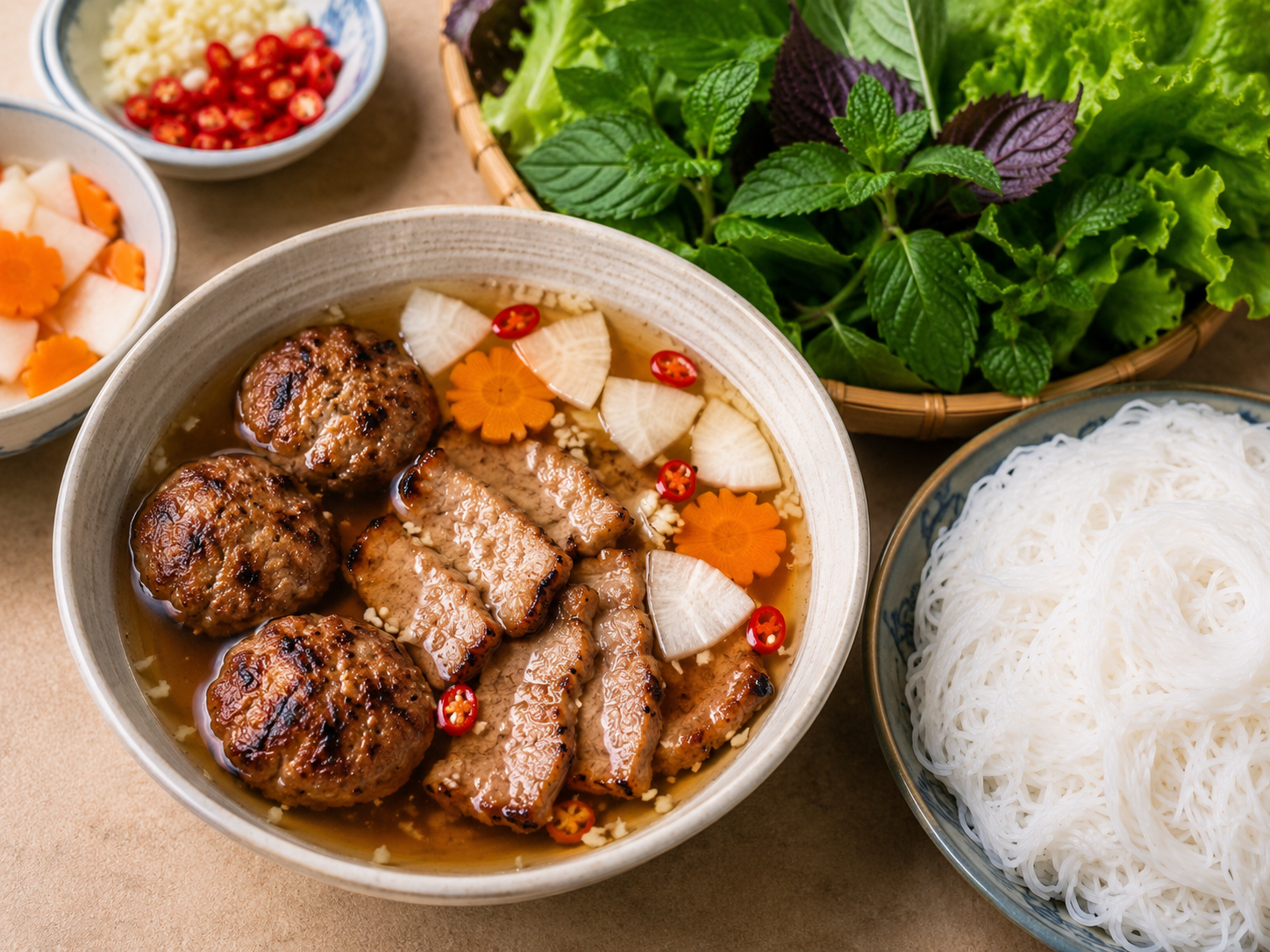
Step 7: Finish And Eat While The Pork Is Warm
Bring everything to the table while the pork is still warm and the edges are still a little sticky from the grill.
Add extra chili if you want heat. Add lime if the sauce needs brightness. Add more pickles if the pork is rich. The best bowl is the one that keeps changing as you eat.
Bún chả is not a dish you plate once and leave alone. It is a table of small corrections: more herbs, more sauce, another piece of pork, one more bite of noodles.
Final Thoughts
Bún chả teaches you that Vietnamese food does not always need to be complicated to be deep.
It is pork, noodles, herbs, pickles, and fish sauce. But when those pieces are handled with care, the whole meal feels alive. Smoke gives it weight. Herbs give it lift. Pickles give it edge. The sauce brings everyone back to the same bowl.
That is the beauty of Hanoi cooking. It can look simple from across the table, then pull you in one bite at a time.